


Online hobby shops are experiencing explosive growth, creating unique opportunities for passionate entrepreneurs in 2025. With hobbyist communities expanding and digital retail trends reshaping e-commerce, now is the perfect time to transform your hobby online shop dream into reality.
This guide offers proven steps for launching and scaling your business, from market research to branding and marketing strategies. Follow along for a step-by-step roadmap covering everything you need to build and grow a thriving hobby online shop in the year ahead.
Understanding the Hobby Online Shop Market in 2025
The hobby online shop landscape in 2025 is dynamic and full of opportunity. Rapid growth in digital retail and evolving consumer interests make this the ideal time to explore the market. Whether you are a seasoned entrepreneur or just starting, understanding the current climate is essential for your hobby online shop to thrive.
Evolving Hobby Trends and Consumer Demands
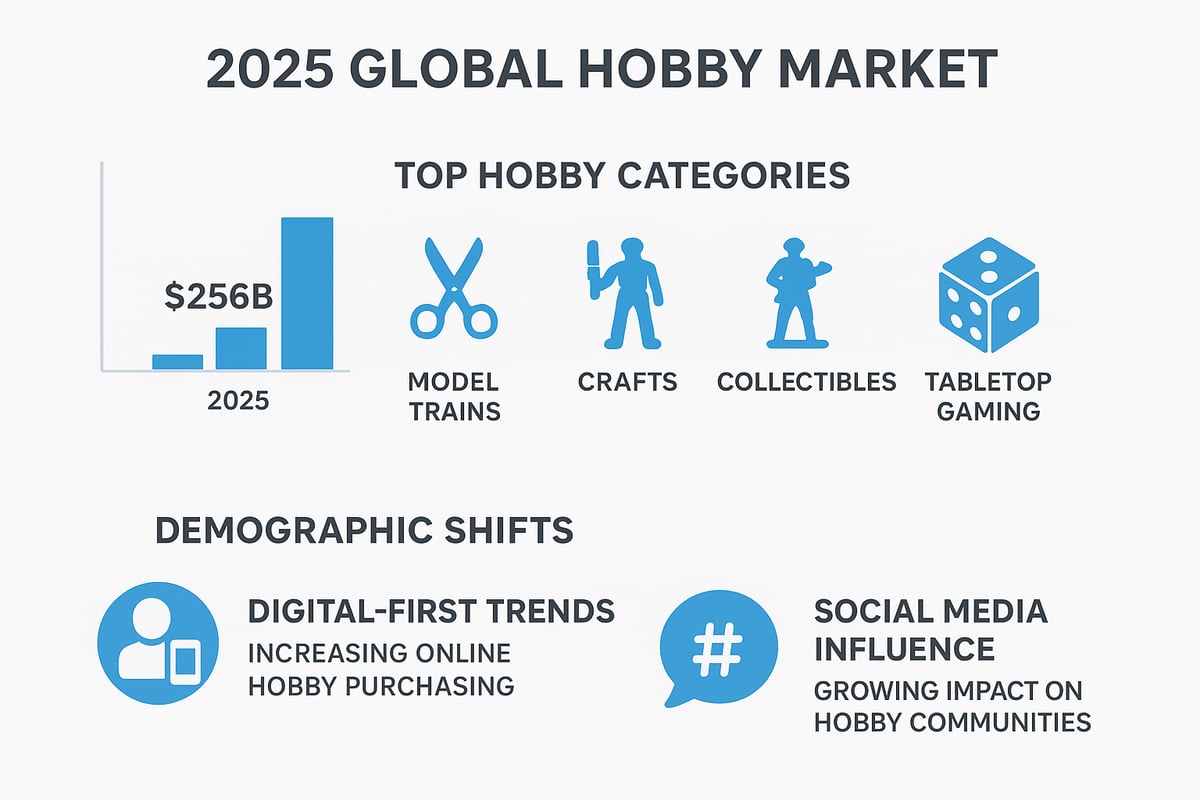
Hobby online shop owners must keep pace with shifting trends. In 2025, top categories include model trains, crafts, collectibles, miniatures, and tabletop gaming. The global toys and hobby market is projected to exceed $370 billion, driven by strong annual growth rates and increased digital engagement, as highlighted in the Toys & Hobby Market Forecast 2025.
Demographics are evolving, with younger, tech-savvy hobbyists joining established enthusiasts. Social media and influencers fuel niche communities, such as model railroading and miniature painting, creating vibrant spaces for sharing and discovery. These digital-first hobbyists expect fresh products and interactive experiences from every hobby online shop.
Competitor Analysis and Market Gaps
To build a successful hobby online shop, start by mapping out your competitors. Use research tools like SEMrush and SimilarWeb to analyze traffic, keywords, and digital strategies. Identify top players and examine their unique selling points, such as exclusive product lines or exceptional customer service.
Look for underserved segments within your niche. For example, some shops focus exclusively on rare model train accessories, while others target broader hobby interests. By spotting gaps—like specialty supplies or unique bundles—you can position your hobby online shop to fill unmet needs and attract loyal customers.
Regulatory and Supply Chain Considerations
Launching a hobby online shop in 2025 involves navigating legal and logistical complexities. Begin with business registration and ensure compliance with local and international tax laws. Some hobby products may require specific regulations, especially if they include electronics or specialty materials.
Consider import and export rules for global customers. Sourcing authentic products and maintaining quality control are ongoing challenges. Reliable supply chains and careful vetting of suppliers protect your hobby online shop's reputation and keep logistics running smoothly, so customers receive the quality they expect.
Key Success Factors for 2025
What sets a thriving hobby online shop apart? Community building is crucial. Engaged customers return for advice, events, and inspiration. Personalization matters, too—offering customized kits or recommendations based on purchase history increases satisfaction.
Fast shipping and seamless fulfillment are now standard expectations. Integrating technology, such as AR previews for products or AI chatbots for support, enhances the customer experience. Each of these factors contributes to lasting success for your hobby online shop.
Case Studies and Data Points
Consider the case of a hobby online shop that embraced digital transformation. By investing in e-commerce tools, social media, and customer engagement, it rapidly scaled its operations. Online hobby shops now report conversion rates between 2.5% and 4%, with average order values rising to $75 or more.
Customer retention metrics are also improving, as interactive platforms and responsive service foster loyalty. These data points underscore the importance of adapting to trends and prioritizing the customer journey in every hobby online shop.
Building Your Hobby Online Shop: Step-by-Step
Building a profitable hobby online shop in 2025 requires careful planning, smart decisions, and a passion for your niche. By following these actionable steps, you can transform your hobby into a thriving business that attracts loyal customers and stands out in a competitive market.

Step 1: Defining Your Niche and Product Selection
Choosing the right niche is the cornerstone of any successful hobby online shop. Specializing in a focused area, such as model train accessories or rare miniatures, helps you attract dedicated enthusiasts and build a strong brand identity.
Use a combination of passion and market research to pinpoint products with steady demand and growth potential. Consider trending items, evergreen classics, and untapped subcategories. Balancing your interests with profitability is key, ensuring long-term motivation and financial success. For further tips on product selection and actionable shop insights, see The Hobby Shop Blog.
Step 2: Sourcing and Managing Inventory
Reliable suppliers are essential for a hobby online shop that delivers quality and authenticity. Explore options like direct manufacturers, wholesalers, or reputable distributors. Decide between dropshipping, which offers lower upfront investment, and holding inventory, which provides greater control and faster shipping.
Use inventory management tools to track stock levels and automate reordering. Prioritize suppliers who guarantee genuine, high-quality products and can scale with your business. Regular quality checks will protect your reputation and foster customer trust.
Step 3: Choosing the Right E-commerce Platform
Selecting the best platform for your hobby online shop sets the stage for growth. Compare options like Shopify (user-friendly, scalable), WooCommerce (flexible, WordPress-based), and BigCommerce (robust features). Niche-specific platforms may offer tailored tools for hobbyists.
Key considerations include ease of use, customization, payment integrations, and future scalability. Research successful hobby shops on each platform to see what fits your needs. Use the table below to compare popular platforms:
| Platform | Ease of Use | Customization | Payment Options | Scalability |
|---|---|---|---|---|
| Shopify | High | Moderate | Extensive | High |
| WooCommerce | Moderate | High | Extensive | High |
| BigCommerce | High | Moderate | Extensive | High |
Step 4: Designing a User-Friendly Online Store
A seamless shopping experience is vital for your hobby online shop. Prioritize intuitive navigation, clear categories, and mobile responsiveness. High-quality product photography and detailed descriptions help customers make confident decisions.
Incorporate accessibility features, such as alt text for images and readable fonts, to welcome hobbyists of all abilities. Simple design choices, like visible search bars and streamlined menus, reduce friction and boost conversion rates. Regularly test your site on multiple devices to ensure consistent performance.
Step 5: Payment, Shipping, and Fulfillment Solutions
Offering secure, versatile payment options is a must for any hobby online shop. Set up trusted gateways like PayPal, Stripe, and credit card processors. Provide multiple shipping choices, including standard, express, and international delivery, to accommodate diverse customer needs.
Integrate with fulfillment services for efficient order processing and real-time tracking. Transparency about shipping times and costs builds trust. Consider offering free shipping thresholds to increase average order value and encourage repeat business.
Step 6: Legal, Tax, and Compliance Steps
Register your hobby online shop as a legal entity and choose the appropriate business structure. Understand sales tax obligations for hobby products at the state, national, and international levels. Implement clear privacy policies, terms and conditions, and data protection measures to comply with regulations.
Stay informed about hobby-specific laws, such as import/export restrictions or safety certifications. Proactive compliance not only protects your business but also reassures customers that your shop operates with integrity and professionalism.
Step 7: Launching and Testing Your Shop
A strategic launch maximizes your hobby online shop’s early impact. Start with a soft launch, inviting friends, family, or beta testers to provide feedback. Use A/B testing on product pages and checkout flows to optimize user experience.
Gather early reviews and testimonials to establish credibility. Monitor site performance and address issues quickly. Continuous testing and feedback allow you to refine your shop, ensuring a smooth, engaging experience from day one.
Branding and Positioning Your Hobby Shop for Success
Establishing a strong brand is vital for turning your hobby online shop into a trusted destination. In 2025, customers expect more than just products—they seek authentic brands, engaging experiences, and a sense of community. By focusing on brand identity, storytelling, product presentation, social proof, and clear positioning, you can set your shop apart and build lasting loyalty.
Crafting a Unique Brand Identity
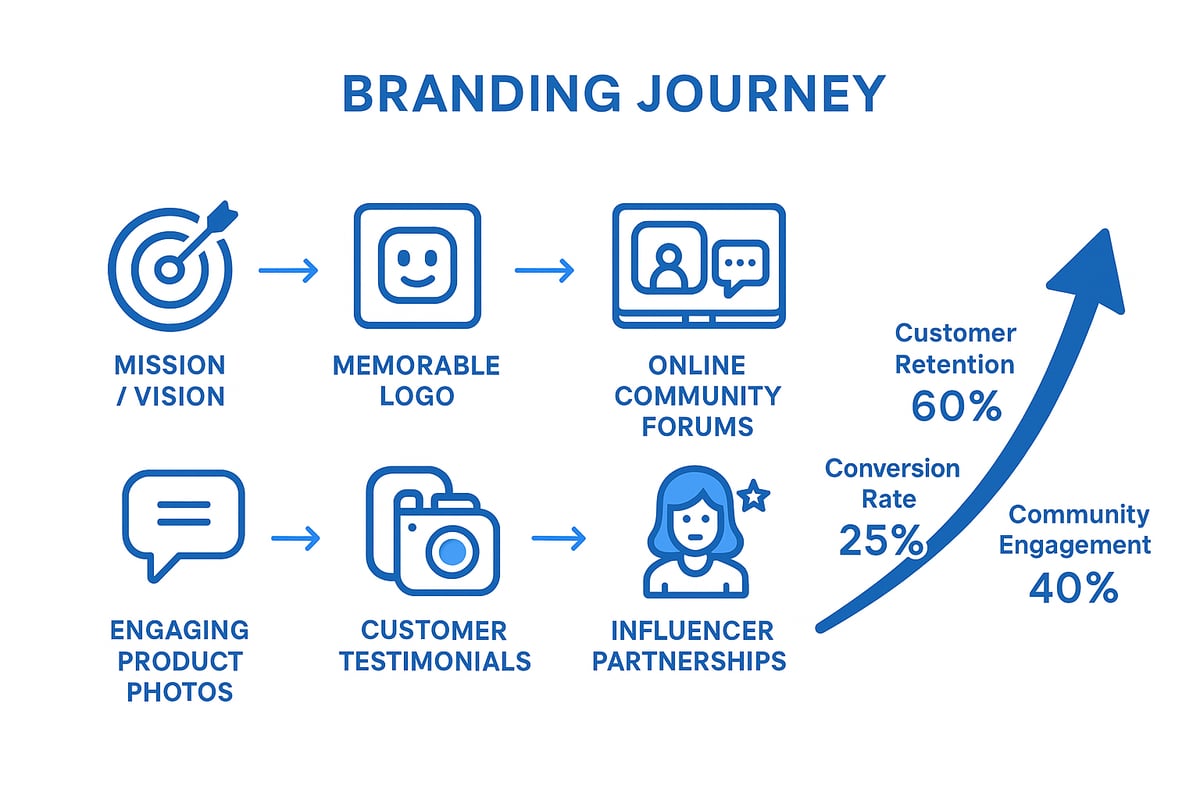
A compelling brand identity is the foundation of your hobby online shop. Begin by defining your mission, vision, and values. Ask yourself: What inspires your shop? What unique perspective or passion do you bring to the hobby community?
Choose a memorable name and design a logo that reflects your shop’s personality. Ensure visual branding is consistent across your website, packaging, and social media. This consistency helps your hobby online shop become instantly recognizable and trustworthy.
Invest in brand guidelines that cover colors, fonts, and imagery. When every touchpoint reinforces your identity, customers feel a stronger connection to your brand.
Storytelling and Community Building
Sharing your founder story and passion makes your hobby online shop relatable. People love to buy from those who share their interests. Use your About page, blog, and social media to tell your story and invite others to join your journey.
Build a community by creating forums, Facebook groups, or Discord servers where enthusiasts connect and share advice. Engage regularly by hosting Q&As, sharing customer projects, and celebrating milestones. A thriving, interactive community will turn visitors into loyal advocates for your hobby online shop.
Creating Compelling Product Listings
Effective product listings are crucial for a successful hobby online shop. Start with SEO-optimized titles and descriptions that highlight the unique features and benefits of each item. Use clear, high-quality photos that showcase products from multiple angles.
Incorporate storytelling to help customers imagine how your products fit into their hobby journey. Encourage customers to share their experiences and photos, then feature these user-generated reviews directly on your product pages. This approach builds trust and adds authenticity to your hobby online shop.
Leveraging Social Proof and Influencer Partnerships
Showcasing customer testimonials and case studies gives shoppers confidence in your hobby online shop. Share real stories from satisfied customers and highlight before-and-after project photos for added impact.
Partnering with hobby influencers can amplify your reach and lend credibility. For example, How Fusion Scale Hobbies Helps You Build a Masterpiece illustrates how expert guidance and community engagement boost brand trust and loyalty. Remember, social proof and influencer collaborations are proven to increase conversion rates and long-term engagement for your hobby online shop.
Positioning for Long-Term Growth
To thrive in a competitive market, develop a unique selling proposition (USP) that clearly sets your hobby online shop apart. Focus on what makes your shop different—such as exclusive product lines, expert advice, or superior customer support.
Build strategies for ongoing differentiation, like launching limited-edition items or offering personalized recommendations. Study successful niche shops that achieved strong brand recognition through community building and authentic engagement. By consistently delivering value, your hobby online shop will earn a lasting place in the hearts of hobbyists.
Marketing Strategies to Drive Traffic and Sales
Unlocking growth for your hobby online shop in 2025 requires a multifaceted approach. The right marketing strategies will help you reach your audience, drive sales, and build a loyal customer base. Below, we break down the essential tactics every hobby online shop owner should master to stay ahead in a competitive landscape.
SEO and Content Marketing for Hobby Shops
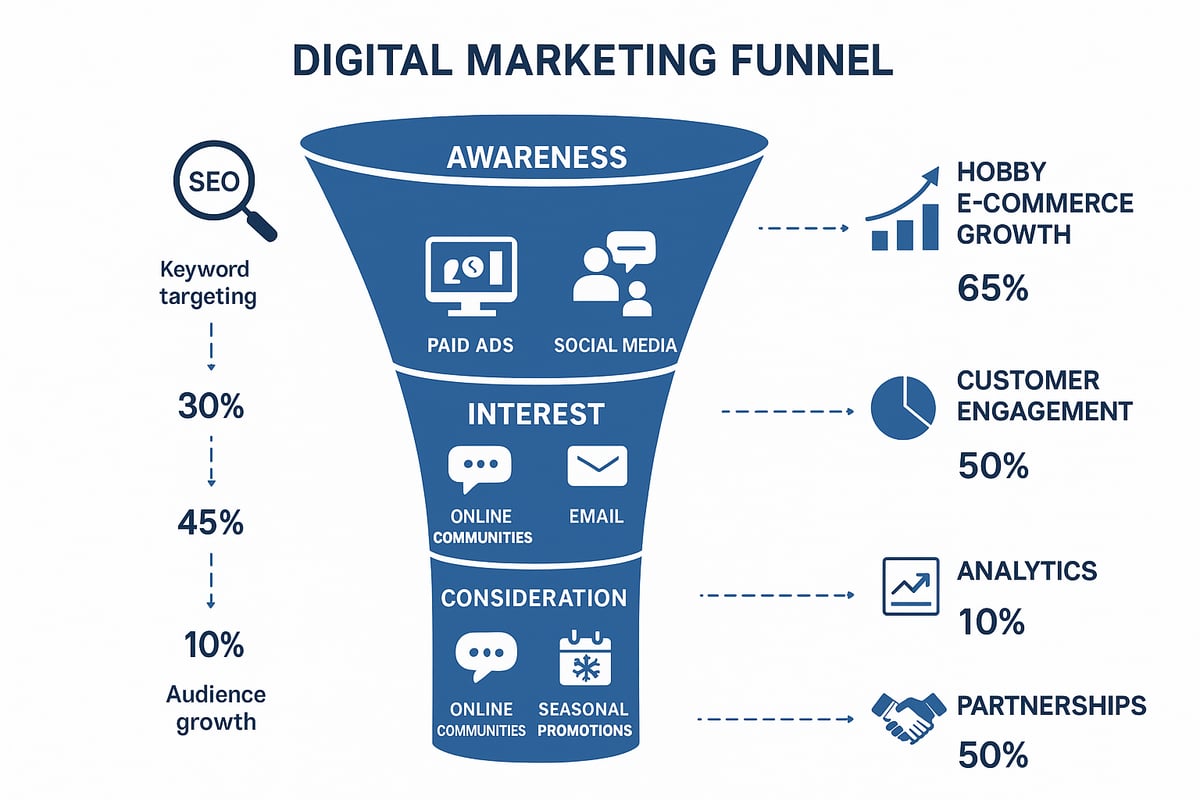
SEO is the cornerstone of sustainable growth for any hobby online shop. Start with in-depth keyword research targeting hobby-specific terms, such as "model train kits" or "tabletop gaming accessories." Use these keywords strategically in your product titles, meta descriptions, and blog posts for maximum visibility.
Create valuable content like how-to guides, product tutorials, and industry news. For inspiration, review the Ultimate Guide to Model Trains to see how in-depth articles can attract enthusiasts and boost authority. Incorporate on-page SEO best practices and ensure your site loads quickly on all devices.
Technical SEO is just as important. Optimize site structure, fix broken links, and implement schema markup for rich product listings. Consistent content updates will keep your hobby online shop ranking high and drive continuous organic traffic.
Paid Advertising and Social Media Campaigns
Paid advertising can rapidly amplify your hobby online shop's reach. Set up Google Ads targeting specific hobby interests and use Facebook or Instagram campaigns to showcase your best products. Retarget visitors who leave items in their carts with tailored ads to boost conversion rates.
Plan your ad budget carefully. Start with a small investment, test different creatives, and scale successful campaigns. Use engaging visuals and clear calls to action. Social media is also a powerful platform for building your brand—run contests, share user projects, and feature new arrivals to keep your audience engaged.
For insights into current spending patterns and ROI benchmarks, refer to Hobby Marketing Statistics 2025. This data can guide your budget allocations and help set realistic campaign goals.
Email Marketing and Customer Retention
Email marketing remains a highly effective channel for hobby online shop owners. Begin by building a segmented email list based on customer preferences and purchase behaviors. Send regular newsletters featuring new products, exclusive offers, and helpful tips related to your hobby niche.
Personalize your messaging to increase engagement. Automated email flows, such as welcome sequences and abandoned cart reminders, can recover lost sales. Launch a loyalty program to reward repeat customers with discounts or early access to limited editions.
Monitor open rates and click-through rates to refine your approach. A well-executed email strategy will keep your audience connected and drive repeat purchases for your hobby online shop.
Leveraging Online Communities and Forums
Engagement in online communities is vital for any hobby online shop. Join hobby-specific forums, Reddit threads, and Facebook Groups where your target audience gathers. Provide value by answering questions, sharing insights, and posting helpful resources.
Establish your shop as an authority without being overtly promotional. Highlight your expertise by contributing to discussions and offering advice. Over time, this approach builds trust and encourages community members to visit your shop.
Some hobby online shop owners have seen significant growth by fostering their own forums or Discord channels. Active participation in these spaces can lead to valuable word-of-mouth and organic sales.
Seasonal Promotions and Limited-Edition Launches
Seasonal campaigns are an effective way to create urgency and drive spikes in sales for your hobby online shop. Plan product launches and promotions around holidays, major hobby events, or new collection releases.
Limited-edition products or exclusive bundles can encourage customers to act quickly. Use countdown timers, early-bird specials, or flash sales to increase excitement. According to recent industry data, time-limited offers can boost conversion rates by as much as 35 percent.
Track which seasonal campaigns perform best and adjust your strategy accordingly. A calendar of planned promotions ensures your hobby online shop remains top-of-mind year-round.
Analytics and Performance Tracking
Data-driven decision-making is crucial for scaling your hobby online shop. Set up Google Analytics and e-commerce tracking to monitor key performance indicators such as traffic, average order value, and customer retention rates.
Regularly review your analytics dashboard to identify trends and spot areas for improvement. For a snapshot of hobby e-commerce metrics, explore industry reports and benchmark your shop's performance.
Use the insights gained to refine marketing strategies, optimize product listings, and enhance the customer journey. Continual performance tracking will help your hobby online shop adapt quickly to changing market conditions.
Collaborations and Partnerships
Strategic collaborations can open new doors for your hobby online shop. Partner with hobby brands, clubs, or event organizers to expand your reach. Consider cross-promotions, bundled offers, or affiliate marketing programs to tap into new audiences.
Participate in virtual events or sponsor hobby competitions to showcase your products. Successful partnerships often lead to increased brand awareness and customer loyalty.
Case studies show that hobby online shop owners who collaborate with influencers and industry leaders often achieve faster growth. Seek out mutually beneficial relationships that align with your shop's values and customer interests.
Optimizing Customer Experience and Building Loyalty
Providing an outstanding customer experience is key to building a loyal customer base for your hobby online shop. In a competitive market, every touchpoint matters, from browsing to post-purchase support. Focusing on seamless processes and personalized engagement will help your shop stand out.
Streamlining the Purchase Journey
A smooth purchase journey is essential for any hobby online shop. Visitors expect to find products easily, complete their orders quickly, and move through checkout with minimal friction.
Start by offering intuitive navigation and clear product categories. Enable guest checkout and provide multiple payment options, such as credit cards, PayPal, and digital wallets. Fast response times for customer queries, whether via email or live chat, increase trust and reduce cart abandonment.
Consider integrating real-time order tracking so customers stay informed from purchase to delivery. The quicker and simpler the process, the more likely shoppers are to return to your hobby online shop.
Personalization and Customer Engagement
Personalization can transform a hobby online shop from a generic retailer into a trusted resource. Use browsing and purchase history to recommend relevant products or accessories. For example, if a customer buys a model train, suggest compatible tracks or scenery kits.
Send personalized emails with tailored offers, event invitations, or restock alerts. Implement live chat or AI-powered support to answer questions instantly and guide customers to the right products. Engaged shoppers are more likely to become repeat buyers, boosting the long-term success of your hobby online shop.
Managing Returns, Refunds, and Customer Service
A transparent returns and refunds policy is a cornerstone of customer trust for any hobby online shop. Make your policies clear and accessible so buyers feel confident in their purchases. Respond to complaints or negative reviews promptly and professionally, turning potential issues into opportunities for loyalty.
Outstanding customer service is proven to drive repeat purchases and positive word of mouth. According to U.S. Hobby & Leisure eCommerce Data, customer retention rates are higher when support is fast and solutions-oriented. Invest in training your team to handle inquiries with empathy and efficiency.
Encouraging User-Generated Content and Reviews
User-generated content is a powerful tool for any hobby online shop aiming to build community and trust. Encourage customers to share photos or videos of their builds, collections, or unboxing experiences. Offer incentives such as discounts or entry into contests for submitting reviews or project showcases.
Feature customer stories or projects on your website and social media. For inspiration on fostering vibrant online communities, review examples like The Best Hobby Shop in Southeastern US, where active engagement drives loyalty and brand advocacy. A thriving user community can propel your hobby online shop ahead of competitors.
Scaling with Technology and Automation
Embracing technology is crucial for scaling your hobby online shop in 2025. Integrate automation tools for order processing, inventory updates, and shipping notifications to reduce manual errors and save time. Use CRM systems to manage customer relationships and segment your audience for targeted marketing.
Stay ahead by exploring AI-driven product recommendations, AR previews for collectibles, and advanced analytics. As highlighted in industry reports, adopting these innovations helps future-proof your hobby online shop and keeps it aligned with evolving customer expectations. Prepare now to offer immersive and efficient shopping experiences.
As you’ve seen throughout this guide, building a successful hobby online shop in 2025 is all about combining your passion with smart strategies—from choosing the right products and platforms to creating a seamless customer experience. If you’re ready to turn your vision into reality or want to explore trusted brands, quality supplies, and fast shipping, I encourage you to see what’s possible with a partner who understands hobbyists’ needs. From model railroading essentials to the latest tools and paints, Fusion Scale Hobbies has everything you need — paints, tools, scenery, and top brands all in one place. Shop now and take your modeling to the next level.