


Are you searching for your next great passion? In 2025, the hobby shop is at the heart of a global hobby renaissance, where fresh trends and timeless favorites come together like never before.
This guide dives into the top hobbies gaining momentum this year, drawing on expert insights and practical tips curated from the hobby shop community. Whether you are new or experienced, you will discover how the hobby shop bridges the gap between emerging digital trends and beloved classic activities.
Get ready to explore the evolution of the hobby shop, uncover trending hobbies, and find step-by-step guidance to launch your own creative journey in 2025.
The Evolution of Hobby Shops in 2025
The landscape of the hobby shop is transforming rapidly as we approach 2025. No longer just a place for buying supplies, the hobby shop is evolving into a dynamic environment that blends tradition, technology, and community. This shift is redefining how hobbyists of all backgrounds engage with their passions.
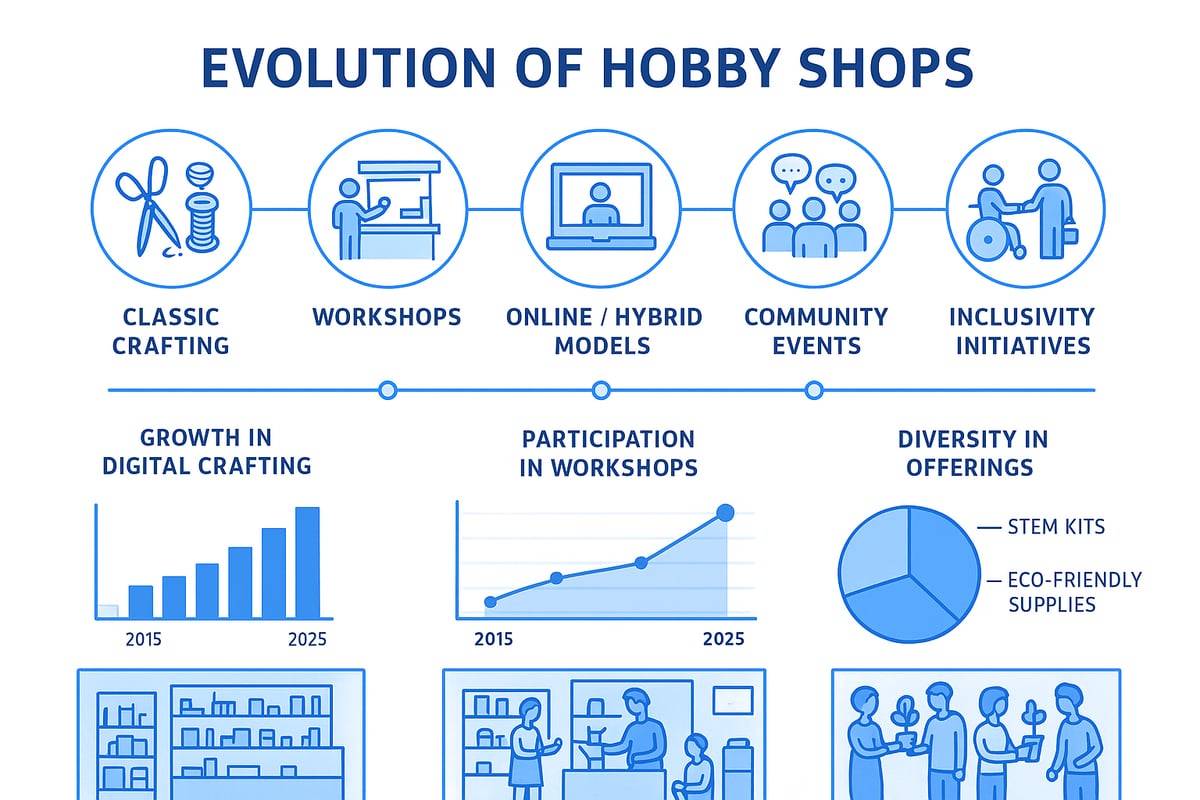
From Classic Crafting to High-Tech Hubs
Over the past decade, the hobby shop has transitioned from a traditional craft supplier to a modern hub for creativity and innovation. Today, many shops integrate advanced technology, offering access to 3D printers, CNC machines, and digital crafting stations. This evolution supports the growing maker culture, attracting hobbyists interested in both analog and digital pursuits. Hobby shops now provide in-person and online workshops, collaborative maker spaces, and a broader range of products. For a deeper look at how these trends are shaping the industry, explore the Top Trends Shaping the Future of Hobby Shops. This transformation positions the hobby shop as a central destination for hands-on learning and creative exploration.
The Role of Expert Guidance and Community
Expert guidance is a cornerstone of the modern hobby shop experience. Many shops employ skilled professionals who offer one-on-one instruction, project troubleshooting, and safety training. Mentorship is available for both newcomers and seasoned hobbyists, ensuring everyone can progress at their own pace. Community events such as workshops, competitions, and themed meetups foster a sense of belonging and shared learning. Data shows a significant increase in workshop participation since 2020, demonstrating the hobby shop’s growing role as a learning hub. By connecting enthusiasts and experts, the hobby shop builds strong, supportive communities.
Accessibility and Inclusivity in Modern Hobby Shops
In 2025, accessibility and inclusivity are at the forefront of the hobby shop mission. Shops are adapting spaces and resources to welcome people of all ages, skill levels, and backgrounds. Initiatives focus on gender diversity, intergenerational participation, and providing adaptive tools for those with disabilities. Programs are designed to remove barriers, such as no-grades and no-deadlines policies, which encourage creativity without pressure. For example, some shops implement open-door policies, inviting the entire community to participate regardless of experience. These efforts ensure the hobby shop is a place where everyone can discover and nurture their passions.
Trends in Hobby Shop Offerings
Product offerings in the hobby shop are evolving to reflect new interests and societal values. There is a noticeable rise in STEM-focused kits, robotics, and maker tools, appealing to tech-savvy hobbyists. Eco-friendly and sustainable supplies, such as recycled materials and organic gardening kits, are increasingly popular among environmentally conscious consumers. Digital crafting tools, including 3D printers and electronics kits, are now staples alongside traditional woodworking and art supplies. Shops also expand their DIY kit selection for home use, making it easier than ever to start a new hobby. This diversity in offerings allows the hobby shop to remain relevant and inspiring in 2025.
Top Trending Hobbies to Explore in 2025
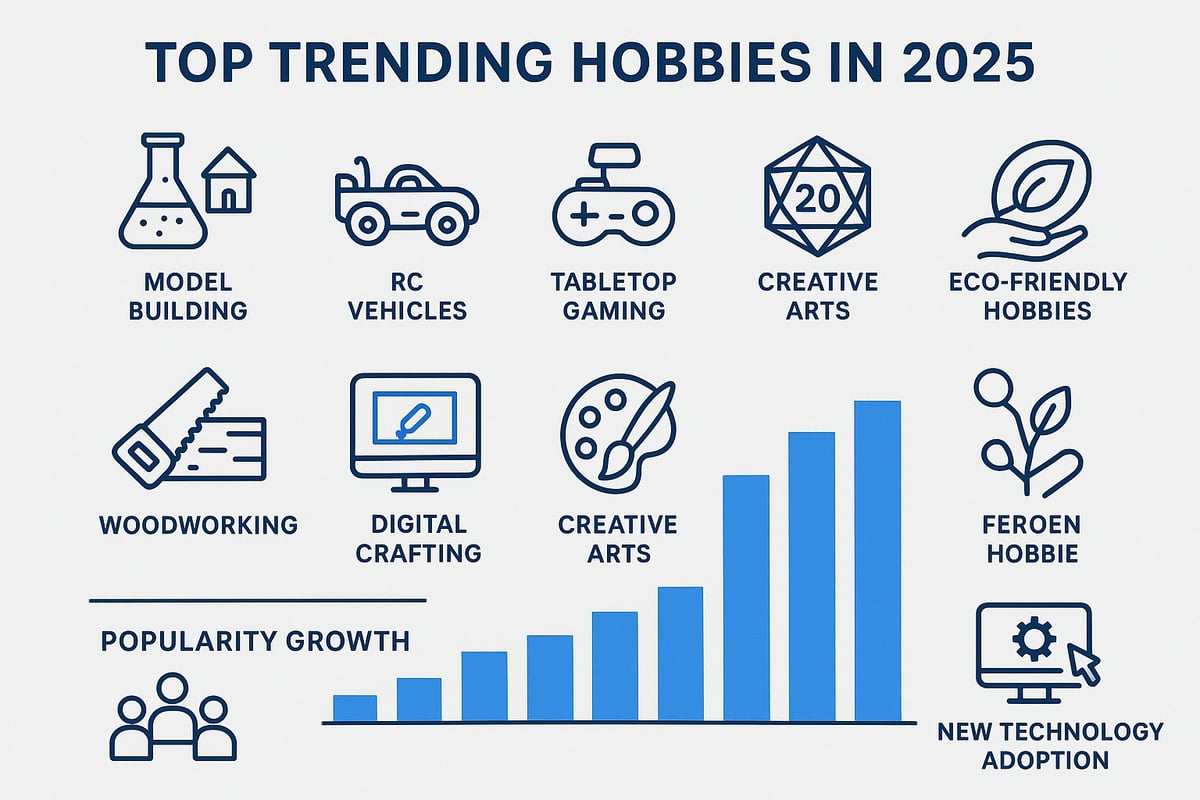
Hobby enthusiasts are finding 2025 to be a year filled with innovation and renewed passion. From classic crafts to cutting-edge technology, the hobby shop is at the heart of this vibrant landscape. Whether you are a newcomer or a seasoned hobbyist, these top trending hobbies are shaping the way people connect, create, and unwind.
Model Building and Scale Modeling
Model building is experiencing a renaissance in 2025, with the hobby shop playing a key role. Advances in 3D-printed parts and custom decals allow hobbyists to create highly personalized trains, cars, planes, and ships. Clubs and competitions are thriving, giving modelers a venue to display their creations and share expertise. Many local shops now offer digital design stations so enthusiasts can craft unique components on site. For those interested in diving deeper, the Ultimate guide to model trains offers comprehensive insights into this classic hobby.
Radio-Controlled (RC) Vehicles and Drones
The RC scene is rapidly expanding, and the hobby shop remains the main destination for all things remote-controlled. New models of cars, planes, boats, and drones feature improved speeds, longer battery life, and user-friendly controls. Beginners appreciate ready-to-run kits that make entry into the hobby seamless. Advanced hobbyists benefit from customizable parts and racing events hosted by local shops. The community’s diversity ensures everyone finds a welcoming space to learn and compete.
Tabletop Gaming and Miniatures
Tabletop gaming is more popular than ever, driven by both nostalgia and innovation. The hobby shop is evolving to accommodate board games, role-playing games, and intricate miniature painting. Weekly gaming nights and tournaments foster community, while expanded inventories include classics like Dungeons & Dragons and the latest indie releases. Shops often provide painting stations and resources for beginners. This vibrant environment encourages creativity and connection among fans.
Woodworking and Metalworking
Hands-on crafts such as woodworking and metalworking are making a strong comeback, with the hobby shop offering access to professional tools and expert guidance. Many people turn to these hobbies for stress relief and the satisfaction of tangible results. Projects range from small keepsakes to elaborate furniture or sculptures. Modern shops provide safety training and mentorship, ensuring that everyone, regardless of experience, can safely enjoy these rewarding crafts.
Digital and Electronic Hobbies
Digital and electronic hobbies are surging in popularity at the hobby shop, appealing to all ages. Coding, robotics, Arduino, and Raspberry Pi kits empower hobbyists to create interactive projects. Shops support this trend by offering electronics kits, sensors, and regular workshops. Traditional crafts are also integrating electronics, such as smart dioramas with lighting and sound. Maker spaces within shops give enthusiasts hands-on experience with the latest technologies.
Creative Arts: Painting, Drawing, and Crafting
Artistic expression is thriving, and the hobby shop is the go-to source for supplies and inspiration. Watercolor, acrylic, and digital art are accessible to everyone, thanks to curated DIY kits and guided workshops. Many shops now stock digital drawing tablets alongside classic brushes and paints. Community art shows and collaborative projects provide opportunities for artists to showcase their work and connect with others.
Eco-Friendly and Sustainable Hobbies
Sustainability is a major trend, and the hobby shop is adapting to meet demand for eco-friendly hobbies. Gardening kits with organic seeds, upcycling materials, and nature-inspired crafts are increasingly popular. Shops offer workshops on sustainable practices, helping hobbyists reduce their environmental impact. Urban gardening clubs often partner with local stores to host events, making it easy for anyone to start a green hobby.
How to Choose the Right Hobby for You
Finding the perfect hobby can feel overwhelming with so many options available in 2025. The hobby shop has evolved into a space that embraces both traditional and modern interests, making it easier than ever to explore new passions. Use these practical tips to discover the hobby that fits your lifestyle and goals.
Assessing Your Interests and Goals
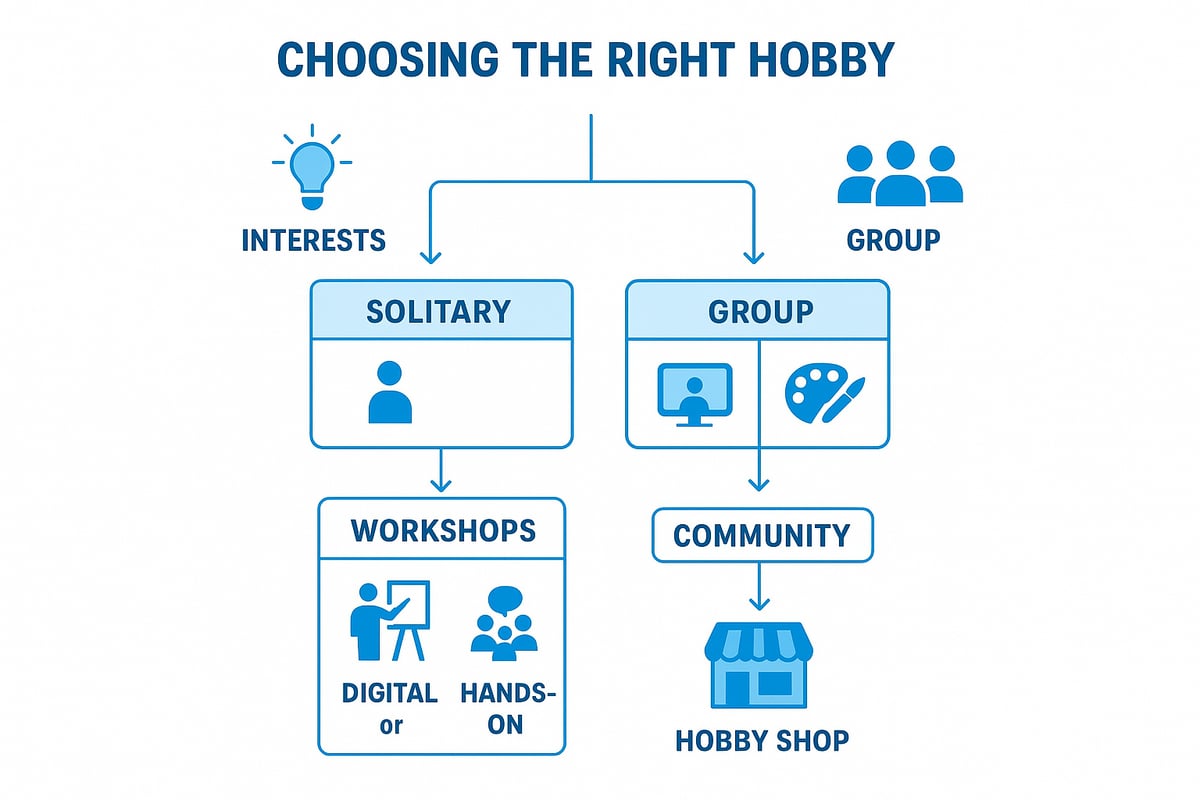
Start by reflecting on what excites you most. Do you prefer creative expression, hands-on technology, relaxation, or social interaction? The hobby shop offers a vast range of activities, so consider your available time, budget, and space before making a decision.
Use this table to compare solitary and group hobbies:
| Hobby Type | Best For | Example Activities |
|---|---|---|
| Solitary | Focus, relaxation | Model building, painting |
| Group | Social, teamwork | Tabletop gaming, clubs |
Think about your personal goals. Are you looking to build a new skill, reduce stress, or make new friends? Visiting the best hobby shop in Southeastern US can help you see how diverse offerings and expert support can make your choice easier. The hobby shop staff can guide you to hobbies that align with your interests, ensuring a rewarding experience.
Trying Before Committing: Workshops and Trials
One of the most valuable features of the hobby shop is the opportunity to try before you commit. Many shops offer free or low-cost introductory workshops, giving you a hands-on feel for different hobbies.
Consider these steps:
- Attend demo days or open houses at the hobby shop.
- Borrow or rent equipment before making a purchase.
- Participate in trial classes to gauge your interest.
Studies show that participating in workshops at the hobby shop increases long-term engagement by 40 percent. This approach lets you explore multiple hobbies with minimal investment and helps you make an informed decision.
Balancing Digital and Hands-On Activities
A well-rounded hobby experience often combines both digital and hands-on elements. The hobby shop caters to this trend by offering resources for everything from coding kits to woodworking supplies.
For example, you might use 3D printing technology from the hobby shop to enhance traditional model building. This balance provides cognitive stimulation and a break from screens, while also keeping you connected to modern trends.
Ask the hobby shop staff for advice on how to blend analog and digital activities. This ensures you get the most enjoyment and skill development from your chosen hobby.
Building a Supportive Hobby Community
Joining a community can greatly enhance your hobby journey. The hobby shop frequently hosts local clubs, online forums, and social groups where you can connect with others who share your interests.
Benefits of joining a hobby community include:
- Finding mentors and collaborators.
- Sharing your progress and getting feedback.
- Staying motivated through group projects and events.
Look for meetups and online communities sponsored by the hobby shop. These spaces foster learning, creativity, and long-lasting friendships, making your hobby experience even more fulfilling.
Step-by-Step Guide: Getting Started with Your Chosen Hobby
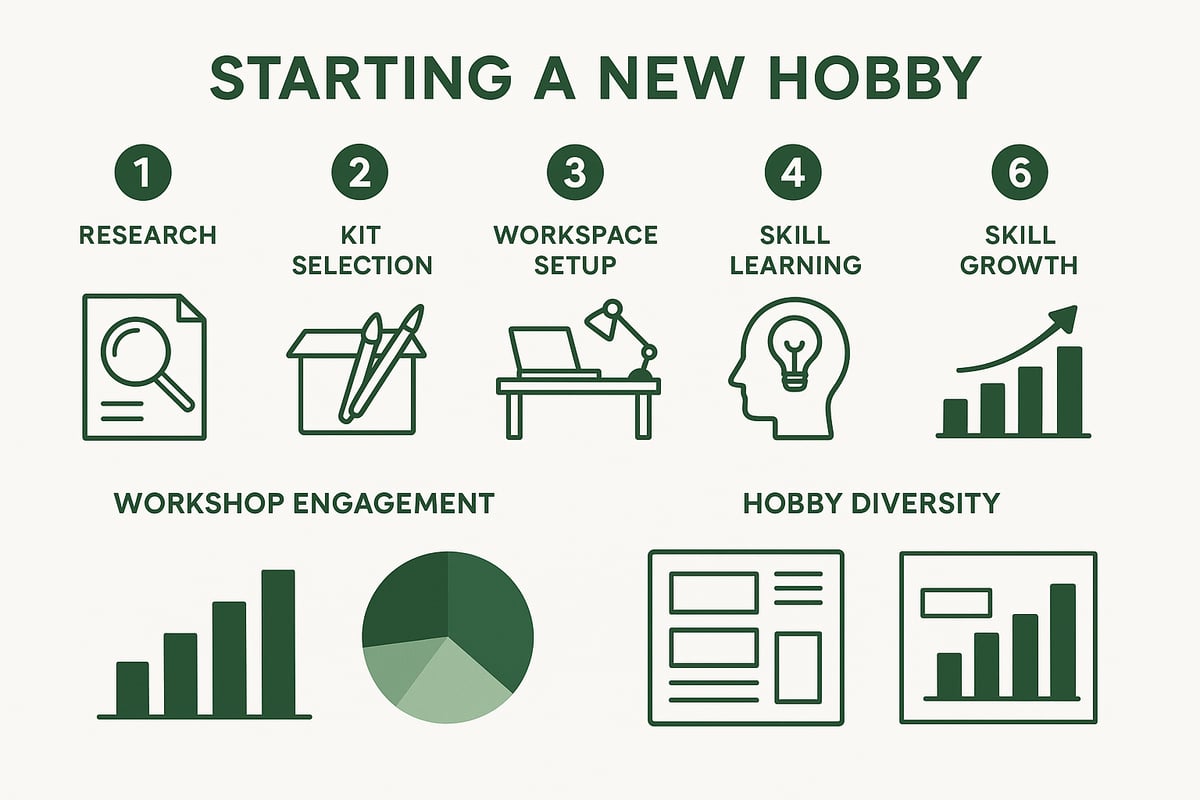
Embarking on a new hobby opens doors to creativity, relaxation, and community. Whether you are interested in classic crafts or the latest tech trends, using the hobby shop as your launchpad can make the process smoother and more enjoyable. This guide will walk you through each step, from finding inspiration to growing your skills, ensuring you make the most of everything the hobby shop has to offer.
Step 1: Research and Inspiration
Every hobby journey begins with inspiration. Start by browsing blogs, YouTube channels, and social media to see what excites you. Visit the hobby shop in person or online to discover trending products and learn about new techniques. Engaging with community showcases or local club events can spark fresh ideas.
For those interested in creative projects, exploring resources such as Diorama supplies and beginner tips can provide practical guidance for beginners. Remember, the hobby shop is filled with staff and enthusiasts ready to share their experiences and help you get started.
Step 2: Selecting Your First Project or Kit
Choosing the right project is essential. The hobby shop offers a wide range of beginner-friendly kits, from model building to electronics. Consult with staff or browse online reviews to find options tailored to your interests and skill level. Starter bundles are particularly helpful, as they include all the necessary tools and materials in one convenient package.
Use the following checklist when selecting your first kit:
- Is it suitable for beginners?
- Does it fit your budget and interests?
- Are all essential tools included?
- Is support available if you need help?
The hobby shop’s curated selections make it simple to start on the right foot.
Step 3: Setting Up Your Workspace
A dedicated workspace is vital for both safety and enjoyment. Consider organizing a small area at home with good lighting and storage for your supplies. Some hobby shops provide access to community workspaces equipped with specialized tools, making it easier to try new hobbies without investing in expensive equipment up front.
Tips for workspace setup:
- Choose a clutter-free, well-lit area.
- Store tools and supplies within easy reach.
- Follow safety guidelines for your chosen hobby.
The hobby shop often hosts workshops where you can use professional facilities, giving you a head start.
Step 4: Learning Essential Skills
Building foundational skills is the next step. Take advantage of workshops, video tutorials, and one-on-one instruction available through the hobby shop. Practicing basic techniques before tackling complex projects helps build confidence and reduces frustration.
Many hobby shops, such as the MIT Hobby Shop, provide hands-on training for each tool, ensuring you work safely and effectively. The hobby shop’s expert staff are always available to answer questions and provide guidance, making learning both enjoyable and rewarding.
Step 5: Joining the Hobby Community
Connecting with others can greatly enhance your hobby experience. The hobby shop is a natural hub for meeting fellow enthusiasts through local meetups, clubs, and online groups. Sharing your progress, asking for feedback, and collaborating on group projects not only builds your skills but also keeps you motivated.
Participating in competitions or exhibitions hosted by the hobby shop can provide valuable exposure and foster a sense of achievement. Being part of a community turns your hobby into a shared adventure.
Step 6: Growing and Diversifying Your Skills
Once you feel comfortable, challenge yourself with new techniques, tools, or related hobbies. Set personal goals and track your progress to stay engaged. The hobby shop regularly offers advanced workshops and certifications, helping you deepen your expertise.
Exploring different aspects of your hobby, from analog to digital, ensures that your passion continues to grow. The hobby shop is an evolving resource, supporting your journey every step of the way as you expand your horizons and discover new possibilities.
Essential Tools, Supplies, and Resources for Hobbyists
The hobby shop is more than a retail space; it is the gateway to creativity, learning, and community. Whether you are discovering a new passion or leveling up your skills, the right tools and resources are essential. Modern hobby shops provide everything from curated starter kits to expert advice, ensuring every enthusiast finds their perfect fit.
Must-Have Tools and Starter Kits
Every journey at the hobby shop begins with the right tools. Starter kits are designed to simplify the entry process, bundling essential items for model building, RC vehicles, art, and electronics. Below is a quick comparison of popular starter kits:
| Hobby | Kit Includes | Ideal For |
|---|---|---|
| Model Building | Glue, cutters, paints, custom decals | Beginners, hobbyists |
| RC Vehicles | Ready-to-run car, controller, charger, batteries | All ages |
| Art & Crafting | Brushes, paints, sketchbook, instructions | Creative starters |
| Electronics | Arduino/Raspberry Pi, sensors, guides | Tech enthusiasts |
Customization is a growing trend, especially in scale modeling. Many turn to custom decals for scale models to add a personal touch to their creations. The hobby shop offers curated bundles, making it easier to get started with confidence.
Accessing Expert Advice and Support
Guidance is a cornerstone of the hobby shop experience. Staffed by knowledgeable professionals, these shops provide one-on-one advice, troubleshooting, and recommendations. This hands-on support helps hobbyists avoid common pitfalls and maximize enjoyment.
Workshops and instructional sessions are increasingly popular, reflecting broader trends shaping the hobby industry in 2025. The hobby shop often employs experts who can walk you through project challenges, tool safety, and advanced techniques. Whether you are a beginner or experienced maker, expert support ensures steady progress.
Leveraging Online Communities and Tutorials
Connecting with others is easier than ever, thanks to the hobby shop’s integration of digital resources. Many shops host online forums, social media groups, and YouTube channels where enthusiasts share advice, tutorials, and project inspiration.
Popular platforms include Reddit’s hobby forums, Discord servers, and dedicated YouTube series. The hobby shop often curates lists of recommended resources, helping you find reliable guides and vibrant communities. Participating in online hobby challenges or collaborative builds can accelerate your learning and expand your network.
Safety, Maintenance, and Upkeep
Safety is non-negotiable at the hobby shop. Staff routinely offer workshops on safe tool usage, proper handling of chemicals, and equipment maintenance. Following best practices ensures a safe, enjoyable experience.
Maintenance extends the life of your tools and projects. Routine cleaning, careful storage, and regular checkups are encouraged. The hobby shop provides maintenance guides, replacement parts, and even hosts repair clinics to support hobbyists at every level.
The Future of Hobbies: Trends and Innovations to Watch
As we look ahead, the hobby shop is poised to undergo remarkable changes. New technologies, sustainability initiatives, and inclusive programs are shaping how enthusiasts pursue their passions. The landscape is evolving rapidly, making it vital to stay informed about what lies ahead for hobbyists and the industry at large.
Integration of Technology and Smart Tools
The hobby shop is embracing a wave of digital transformation. Smart devices, AI-assisted design software, and app-connected kits are now common sights on store shelves. Augmented reality and virtual reality are making it possible for hobbyists to visualize projects before starting, while digital twin modeling is revolutionizing model railroading and layout planning.
According to recent market research, the hobby shop sector is expected to see significant growth as these innovations take hold. For more details on where the industry is headed, see the Hobby & Toy Store Market Size & Future Growth 2035 report. These advances are making the hobby shop a hub for both traditional and tech-savvy creators.
Sustainability and Eco-Conscious Hobbies
Environmental awareness is influencing every corner of the hobby shop. More stores are stocking recycled, biodegradable, and non-toxic supplies. Eco-friendly paint, scenery materials, and green kits are now standard offerings. Workshops often focus on upcycling, organic gardening, and sustainable crafting.
The hobby shop is responding to consumer demand for greener options, ensuring that creative pursuits align with environmental values. This shift encourages hobbyists to make mindful choices and supports a sustainable future for the entire community.
Expanding Accessibility and Inclusivity
Modern hobby shops are committed to welcoming everyone, regardless of experience or ability. Adaptive tools and resources for people with disabilities are becoming commonplace. Programs designed for underrepresented groups, as well as intergenerational hobby communities, are gaining traction.
The hobby shop is partnering with schools and community organizations to provide accessible learning opportunities. These efforts help break down barriers, making hobbies more inclusive and enjoyable for all.
The Rise of Hybrid and Experiential Hobby Shops
The traditional retail model is transforming as the hobby shop evolves into a space for learning and collaboration. Many shops now combine retail with maker spaces, workshops, and event venues. This hybrid approach invites enthusiasts to experiment with new techniques, attend themed workshops, and participate in maker fairs.
By focusing on experience and collaboration, the hobby shop is becoming a vibrant community hub. These changes foster creativity, support skill development, and ensure that the shop remains at the heart of hobby culture.
As you explore the evolving world of hobbies in 2025, you’ll notice how much variety and innovation hobby shops now offer—from classic model railroading to cutting-edge digital crafts. Whether you are drawn to hands-on creativity, technology-driven projects, or building detailed models, having the right supplies and trusted brands makes all the difference. If you’re ready to start your next project or expand your collection, Fusion Scale Hobbies is here to help you every step of the way.
From model railroading to scale modeling, Fusion Scale Hobbies has everything you need paints, tools, scenery, and top brands all in one place. Shop now and take your modeling to the next level.